

The Most Expensive Relationship You'll Ever Have
Taylor Swift's wedding, Kylie Jenner's surveillance glasses, and how strangers turned your emotional attachment into their business model #Parasocial-Activity

There was a time when we didn’t have favourite billionaires. We had favourite musicians, actors, and footballers. Somewhere along the way, we stopped admiring people’s work and started identifying with their wealth.
A decade ago, celebrity took up remarkably little space in our lives. You’d catch a grainy paparazzi photo in a magazine whilst you waited for your parents to finish the weekly shop, read some tasteless headline about cellulite or divorce, and then you’d get on with your day. The distance mattered more than we knew. Celebrity was entertainment, not part of our identities. We didn’t expect access and we certainly didn’t expect them to be our friends.
Now we get daily updates on their lives. We know their children’s names, their skincare routine, the layout of their kitchen. We’ve gone from living our own lives to living vicariously through them.
Meanwhile, ‘celebrity’ has never been so accessible. Set up a camera, post the videos and you too can be adored, worshiped and eventually cancelled by strangers all around the world. Thanks to social media, we know enough about complete strangers to have an opinion (and expectations) on their relationships, parenting, politics and personalities.
Worse still, we defend them.
So how did the phenomenon of parasocial relationships become so normalised and industrialised? And are they chipping away at our financial wellbeing without us even realising it?
Stan Culture is Embarrassing - That Was The Whole Point
“Stan” - an extremely devoted and enthusiastic fan of a celebrity, artist, or fictional character.
The term Stan comes from Eminem’s 2000 song by the same name, which tells the dark story of an overly obsessive fan named Stan who writes increasingly unhinged letters to him. St(alker) + (f)an = Stan
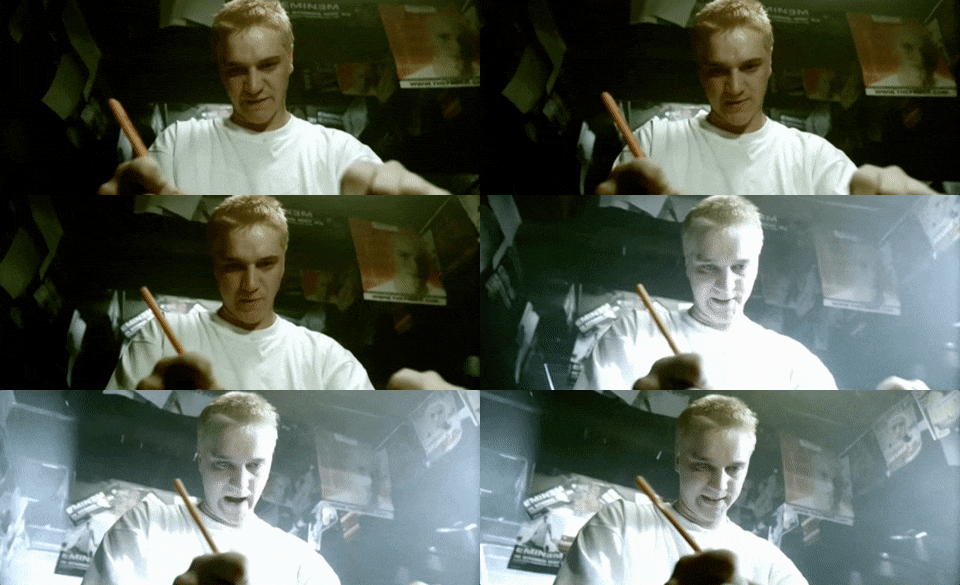
Yet today, millions pride themselves on being die-hard Stans, willing to go to battle in defence of their favourite singer, actor, CEO or influencer. Buying any and every product they have to sell. Trying to bring others along on their journey to ultimate, capitalistic devotion.
Scroll through almost any criticism of a person with a large following and you’ll find an army of people working overtime to protect someone who will never know they exist. We all have our idols, but admiration shouldn’t mean blind loyalty. I can appreciate someone’s work while still acknowledging their flaws, because I don’t owe them unquestioning support. For many influential figures, that kind of loyalty is exactly what helps build their power and fortune.
Nothing says modern day Stan like a Swifty. The dystopian scenes and explosion of commentary surrounding her wedding this month was a perfect example. Whether the criticism centred on the guest list, the billionaire excess, the carefully choreographed “privacy” of an event held in one of New York’s most recognisable venues on July 4th weekend, or the political implications of who was seen attending (or posting from Truth Social unchecked), the response from her army of fans was an aggressive defence. As though she’d asked them personally to represent her in the court of public opinion.
This fascinates me far more than anything Taylor Swift actually does. Because this isn’t really about her. It’s about us. More specifically, it’s about our willingness to: buy into an image sold to us, spend years emotionally investing in the lives of strangers, spend our hard earned cash on the literal breadcrumbs afforded to us by our favourite billionaires.


If that’s not embarrassing enough, how about the fact that we even have “favourite billionaires” in the first place.
Before we course correct, it’s important to understand why ordinary people emotionally defend concentrations of wealth they’ll never experience.
We’re All in A Toxic Relationship
Psychologists call them parasocial relationships: one-sided emotional bonds with public figures who don’t even know we exist. The term was coined in the 1950s to describe television personalities, but social media has turned the concept into one of the most profitable business models ever created.
August 2016 gave us the Instagram story, taking the 2013 Snapchat story mainstream. Back then we just posted our night out, watched it the next morning in horror and deleted it before anyone important managed to view it - we won some, we lost some. When Instagram pushed stories, we (mostly) only followed people we knew, and the story’s main purpose was to let your situationship know how much of a great time you were having without them, then obsessively checking if they’d viewed it - it was a great time to be 20-something.
Of course, influencer culture and ad-driven content came along and quickly ruined it, leaving us with the manufactured intimacy of social media today. We feel as though we’ve grown up alongside people we’ve never met. We celebrate their milestones, mourn their heartbreaks and, increasingly, absorb their definition of what a successful life looks like.
Their success has become our ambition. Their failures our fate. Their politics mould our values. And their endorsements become the burning hole in our wallets.
From their side it looks a little different. You, the follower, are an asset. They’ve spent years bringing you into their sanitised world, and now that you believe you’re up close and personal with your idol, it’s time to milk you and your emotional bond for what it’s worth.
Break Up With Your (Para-Social) Friend - Because I’m Bored
This next section is long because I’m going to add nuance that is almost always lost on social media - but it’s necessary for us to reengage in critical thinking before we make financial decisions born from emotion. So, stay with me here.
Like with any toxic relationship, if we want to take back control, we need to take off the rose-tinted glasses and see things for what they are. For each of the following sections, try to identify elements of your own idol’s fame campaign. Let me know if you’re breaking up with them by the end of this. Hint: You don’t have to, but it’s better the devil you know, right?
Let’s use Taylor Swift again, but you can apply this to anyone you’re in a parasocial relationship with, because the formula for parasocial success is the same.
The Brand
It’s a well known fact that the music industry doesn’t pay artists well or fairly, so they can’t become billionaires on their art alone. They need an image that you can relate to. Enter the regular girl next door with the forever broken heart and a guitar. Now that our identities are intertwined, criticism of Taylor, becomes criticism of me. She becomes the ‘generational talent’ who came from humble beginnings. Never mind that her parents were highly successful investment professionals, from a long line of bankers, who bought a stake in a record label to launch her career - shh, that doesn’t fit the ‘talented, one of us’ narrative.
The Buy-In
She writes relatable breakup songs, but that’s not why Swifties spend thousands on concert tickets, multiple times per tour, without a second thought. The lyrics don’t entice them to buy the cowgirl merch and beg for scraps from her dinner table. They do it because they see themselves in her. They believe they’re part of her world. That she understands and cares for them in the way they obsess over her. That each purchase buys greater proximity.
Publicly on the Fence
Through the course of her career, she learnt she can’t have public political views, as they result in mass burnings of her music and merch - a conservative Swiftie protest of sorts. So she quickly went mute in favour of follower retention ahead of the Era’s tour - Ka-Ching. You may argue it’s not her place or responsibility to comment on current affairs, but that hasn’t stopped many, many other artists with global platforms from doing so. Actions, or lack there of, are reflections of values, and that’s as true for celebrities as it is for everyone else. The question isn’t about her values, it’s about if you care what they are enough to change your spending and attention - thus impacting her earning potential.
The Narrative
She’s spent her career leaving easter eggs about her relationships to garner curiosity and attention. Taylor Swift knows her fans obsess over who she’s dating and inevitably singing about, so she needs a relationship that fits the “Love Story” arc. Hence turning her engagement and wedding into the PR event of the decade - the millionaire and billionaire, with a combined net worth of $2.2billion, cast as our gym teacher and English teacher. Kim Kardashian had to get naked to break the internet. Taylor Swift just got engaged.
The Defence
Then there’s the donations and “generous boss” image the Stans amplify in support of their heroes, rarely the purely kind-hearted gesture they’re marketed as. Taylor and Travis made a widely reported $26 million charitable donation ahead of their wedding, in support of food insecurity. It’s also, relative to $2.2billion, under 1.18% of their wealth, and it’s tax-deductible. Go ahead and multiply your own net worth by 1.18%, take it off your taxable income, and tell me how news and admiration-worthy you feel.
The Balancing Act
She knows she is one of the most beloved billionaires in the world, and with that comes the responsibility of playing a very specific game: maintaining the image of the ordinary girl next door while operating on a scale that is anything but ordinary.
The “wedding” had to serve several purposes at once: satisfy her quieter political interests, captivate her enormous fan base, and create enough cultural impact to keep her firmly at the centre of the conversation (so like, any Indian wedding then?). The reality was public resources deployed during one of the busiest weekends of the year - justified as privacy and security. Performance in place of ceremony. Now don’t get me wrong, do what you want with your money. But let’s be honest about what this was: manufactured scarcity and exclusivity is one of the oldest tricks in the marketing playbook, and she built a castle in the middle of Manhattan to run it.
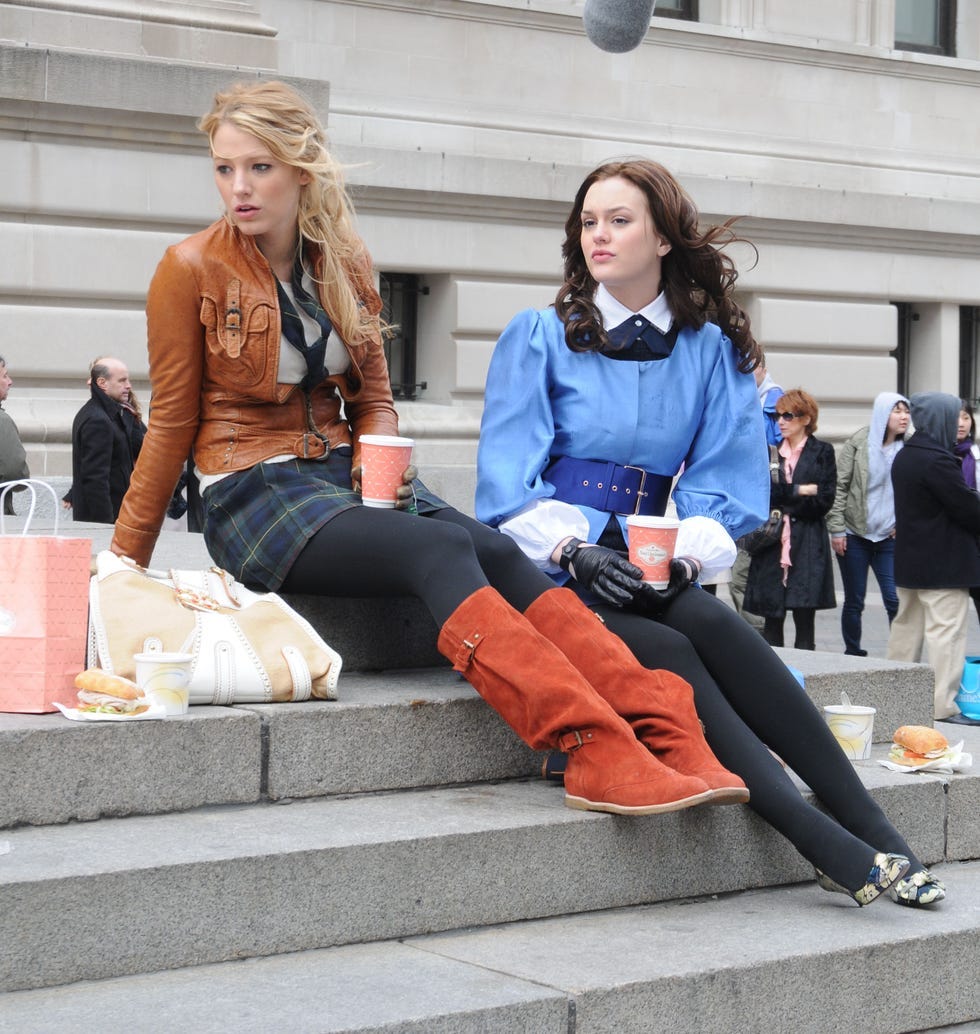
It’s giving Gossip Girl meets Marie Antoinette. Let them eat cake, indeed.
Instagram vs Reality
And there lies the problem. When it comes to those who have everything, life becomes a PR stunt so that they can eventually sell you, their loyal fans and following, something. Access. Products. Services. A story that keeps them popular. A dream of a lifestyle you will never obtain. Because as long as you’re dreaming, you’re not paying attention to the system rigged against you and in favour of them.
If you’re in the comments section raging against anyone who criticises {enter your favourite Celebrity’s name here} because you feel it’s a personal attack on you, you’re not paying attention to the latest piece of legislation that takes away another of your rights, freedoms and hopes for the future.
It’s far more comfortable to believe the spin than confront the reality.
Money has the power to corrupt the most well-meaning people. The power to have a red card reversed in an apparently apolitical sporting tournament. The power to have people turn a blind eye to genuine atrocity in favour of acquiring more of it.
Class systems are engineered to garner support from the poor whilst the upper echelons of society enrich themselves in unthinkable ways.
If I Was a Rich Girl
When we weren’t constantly exposed to the lifestyles of billionaires, influencers and bored socialites, our expectations were still grounded in reality. We chose our own benchmarks for success, instead of comparing our lives to those starting out on a mile-high podium built of cash. We were present in each moment instead of taking pictures and videos to post online - now living in favour of our own potential for para-social relationships on the quest for fame and fortune.
A decade ago, becoming a millionaire felt extraordinary. Today you’ll hear people casually say, “A million pounds isn’t even that much money”, while the average UK savings pot for 25 - 34-year-olds is around £3,544.16. In fact, 40% of adults have less than £1,000 in accessible savings, yet our collective imagination has leapt from financial security to private jets and multiple trips a year to our beachfront compounds.
Somewhere along the way, “comfortable” stopped being enough and we’ve confused financial freedom with limitless accumulation.
The irony is that the ultra-wealthy are probably some of the least financially free people on the planet. Their lives revolve around preserving wealth, growing wealth, protecting it from taxes, managing reputations and ensuring the money machine never stops. They have more money than they could spend in multiple lifetimes, yet the pursuit continues, because at a certain point wealth stops being about meeting needs and starts becoming identity. That’s another kind of captivity - social media just packages it as something to aspire to.
First Your Money, Then Your Rights
None of this is unique to Taylor Swift. Nor is it an argument that wealthy people shouldn’t enjoy the rewards of their work. The point is that parasocial relationships make us emotionally invested in protecting concentrations of wealth that often work against our own interests.
We would love to believe we can’t be manipulated. That we have full autonomy of our decisions and make them in our best interests every time. But we’ve been being manipulated by someone since our very first breath. Raised in the vision and values of our family. Educated by the will and interests of a government. Our thought processes trained by the needs of the industry we provide our labour to. So why do we think the way we choose to spend our time and money is any different?
We’ve made the mistake of assuming that wealth equals wisdom, influence equals integrity and familiarity equals credibility. It’s created a fundamental gap in our understanding of how the world works, and in turn obscured our understanding of ourselves and how we make decisions.
Behavioural scientists have known for decades that repeated exposure increases our sense of trust. Marketers and tech companies know it too. That’s why corporations don’t just sell products anymore. They sell them through people we’ve developed emotional relationships with.
It’s an extraordinary psychological trick. Instead of questioning systems, we’re defending individuals. And while we’re busy doing that, the system carries on exactly as intended.
The same pattern appears everywhere once you notice it. Take Meta’s latest campaign for its AI smart glasses. The technology raises legitimate questions about privacy, surveillance and consent. Women, in particular, have voiced concerns about devices capable of discreet recording in public spaces and what that means in an era of AI-generated imagery, facial recognition and online harassment.
So who fronts the campaign? Kylie Jenner.
Not because she’s an expert on wearable technology, privacy law or digital ethics, but because she doesn’t need to be. She has something far more valuable. Consumer trust from the demographic that makes up 85% of consumer purchases and are most harmed by the technology - women.
Kylie isn’t really selling glasses. She, like Taylor, is selling proximity to a lifestyle. And Meta isn’t buying celebrity endorsement. It’s buying years of accumulated affection that millions of people unknowingly feel towards her. That’s the real product.
The parasocial relationship means her knowledge or expertise doesn’t matter. Not for Meta, Mark or Kylie anyway. They will be laughing all the way to the arms and surveillance companies, white house and bank, respectively.
Everybody’s Gotta Eat - Attention is on the Menu
Then there’s the influencers who built their platforms teaching us how to spot the machine, only to find themselves becoming part of it.
One of the most interesting examples recently was creator Heidi Becker (@heidiunhinged), whose platform grew by dissecting consumer culture, influencer marketing and the absurdity of late-stage capitalism. Her videos resonated because they articulated something many of us were feeling: social media isn’t designed to inspire us, it’s designed to manufacture dissatisfaction. The more inadequate we feel, the more likely we are to keep scrolling, keep searching and, ultimately, keep buying.
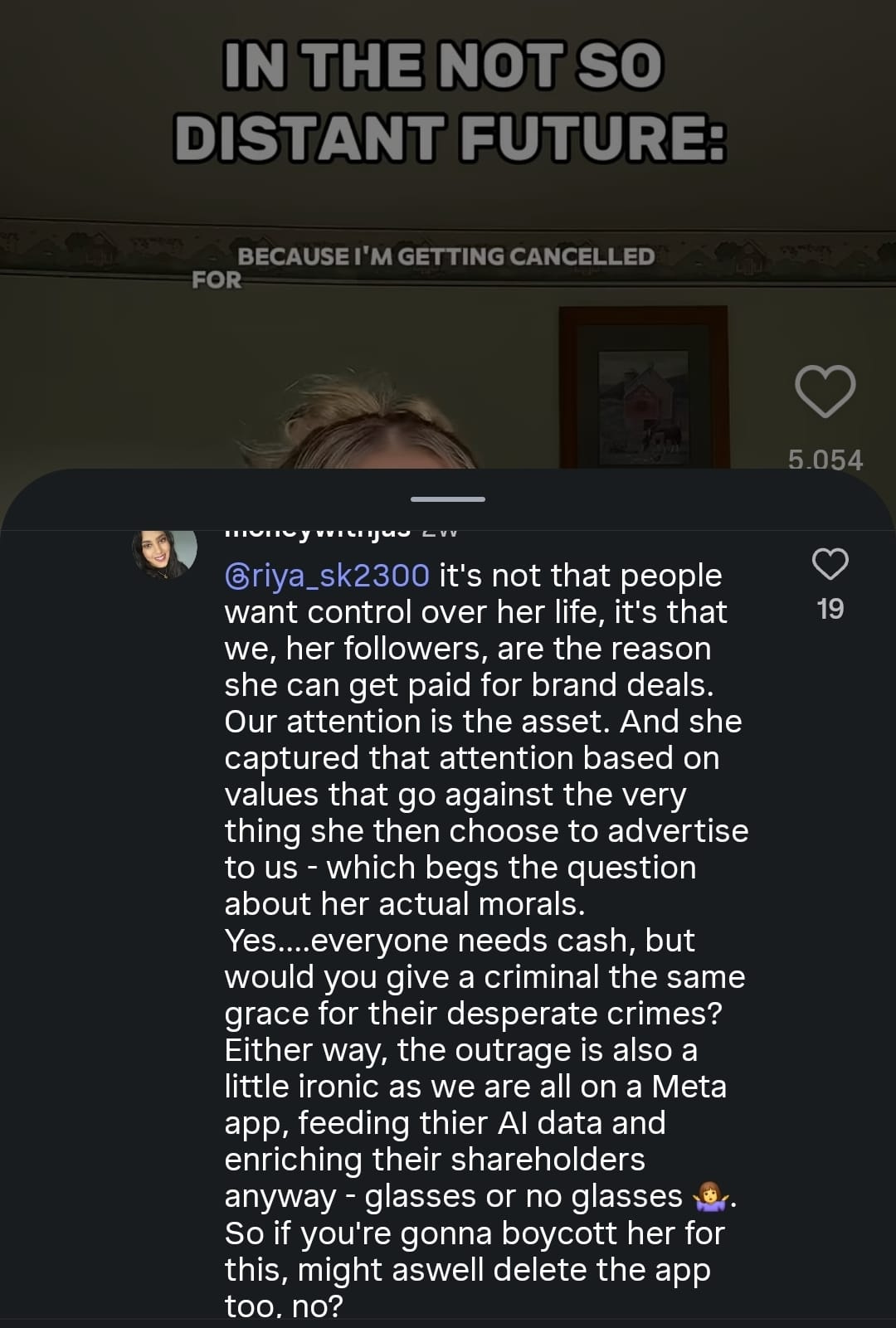
Then she posted an ad campaign for none other than…Meta’s AI glasses. Some accused her of hypocrisy and announced their departure from her platform, others defended her right to make money online. Both missed the uncomfortable truth.
The system doesn’t need its critics to disappear. It simply absorbs them.
Attention has become the raw material of modern capitalism. Build enough of it by criticising consumer culture and, eventually, the very companies you critique will offer you a cheque. Decline it and someone else will take it. Accept it and your audience questions your integrity. It’s an almost impossible position, not because Heidi is uniquely conflicted, but because social media has created an economy where participation and resistance increasingly occupy the same space.
The Power Has Always Been In Our Hands
So how do we take back control?
The question isn’t whether an influencer or celebrity is authentic. It’s whether you’re paying attention to how their content shapes your own behaviour. Attention is one of our most valuable financial assets - where your attention goes, your money usually follows. If your evenings are spent watching people renovate million-pound homes, unbox luxury handbags or convince you that the latest gadget will transform your life, don’t be surprised when your own ‘realistic’ financial goals begin to feel dull by comparison.
You’re not immune to marketing simply because you recognise it. None of us are.
Today, discernment is the most valuable financial skill you can have.
Everything else can be learnt. But having the self-awareness, ability to reflect and understanding of different perspectives and how they impact your decision making will have the greatest impact on your long-term financial wellbeing.
Taking back control looks like:
Understanding if something aligns with your own beliefs or if you’re being emotionally manipulated for someone else’s gain - sales thrive when we feel inadequate.
Recognising when you’re being sold a lifestyle or identity in the form of a product - did we not all grow up with The Emperor’s New Clothes?
Noticing when someone else’s carefully curated success is reshaping your own definition of enough and how you feel about yourself and your life - ‘unfollow’ is an act of self care.
Ask whether the time and energy you’ve spent defending your idols to strangers, or consuming someone else’s life has brought you any closer to the one you’re trying to build.
I firmly believe that the greatest trick social media ever pulled was convincing us that watching other people live was somehow the same as living ourselves. And I say that with a doomscroll addiction likely twice as bad as yours. And with every scroll, I feel worse about myself, the world and my future. I feel disappointed in the strangers I follow when they do something outside of my values. Then I feel dupped for ever listening to them in the first place. I feel like I’m wasting my time and potential, whilst simultaneously failing to find the energy to go and achieve it.
Perhaps that’s the real cost of parasocial relationships. They don’t just take our money. They take our attention, our ambition and our ability to decide, independently, what a good life actually looks like. And if we never stop to question whose goals we’re investing in every time we unlock our phones, we may eventually wake up having built someone else’s empire while neglecting our own.
Finance Therapy explores the relationship between money, psychology, culture and wellbeing. If this resonated, subscribe and share it with the person in your group chat still defending their favourite billionaire in the comments.
🔥🔥🔥🔥🔥 so insightful. A real takedown. Well done Jaskiran!
Fantastic article 👏🏾 you've articulated something that so many of us feel